
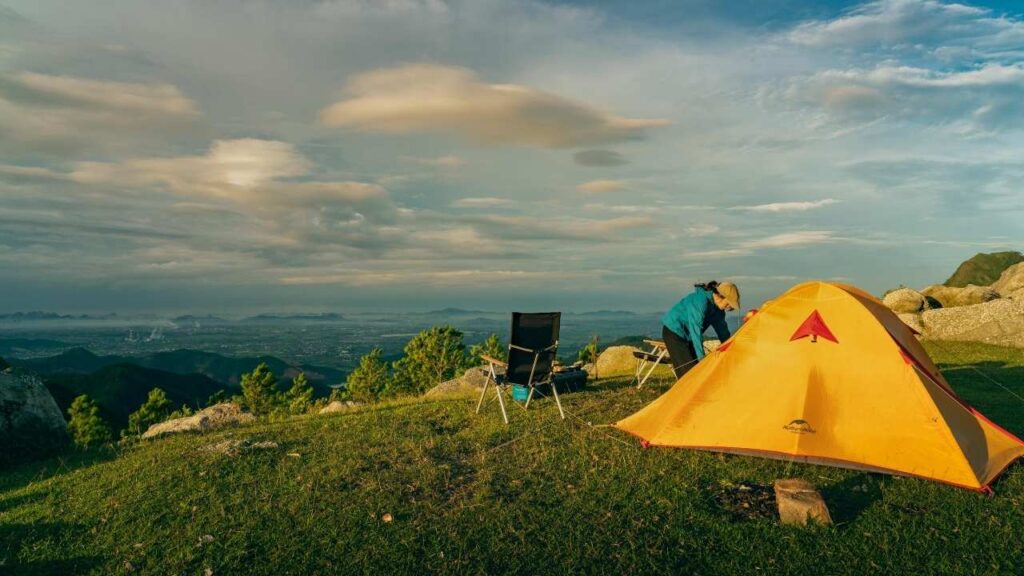
Here’s something I didn’t fully appreciate until I was sitting at the edge of Hadshi Lake, feet in the water, chai in hand, Tikona Fort rising behind my tent—camping in India is in a league of its own.
We’re not talking about a campsite with a parking lot and grass that has been perfectly groomed. We’re talking about deserts that seem to go on forever, Himalayan valleys that make you feel little, and forests that are full of life you can’t name. This is the information you need if you’ve been thinking about going camping in India for the first time or the tenth time.
Why Camping in India Is Different
India is more than just a place to camp. It changes the way you think.
You may set up your tent amid the snow-capped peaks of the Himalayas on one expedition and watch the sun set over the golden dunes of the Thar Desert on the next. This country has a lot of different types of landscapes that very few other locations on Earth can equal. There are mountains, woods, coasts, rivers, wetlands, and deserts all in one country.
The stats also support this. The camping gear market in India was worth $892 million in 2024 and is expected to expand at a rate of 14.66% per year, reaching $2,027 million by 2030. That’s not just a number about the market; it’s millions of Indians putting on backpacks, filling up tents, and going outside like never before. Camping in India is finally getting popular, and it should have happened a long time ago.
Culture All Around You
Camping in India is special because you’re not just camping in nature; you’re camping in history and culture as well.
Imagine a bonfire in Rajasthan, a local musician playing a sarangi, and a sky full of stars that looks like it can’t be real. Or a morning in the Spiti Valley, where the only sounds are the wind and monks chanting from a monastery on a hill. These times when you really get into the culture are what make camping in India go from nice to life-changing.
And then there’s the cuisine. Each part of India has its own tale about flavor. A dish of hot momos at a freezing camp in the Himalayas. A traditional Rajasthani dal baati made over a fire in the desert. On a morning by the lake, crispy pakodas (believe me, that’s hard to beat). Camping all over India for the food alone is a solid excuse.
The Camping Boom Is Here
Let’s speak about numbers for a moment, because they are quite amazing.
In 2023, India had 2,509.63 million domestic tourists, which is more than the 1,731 million it had the year before. More people are going on trips, and more of them are selecting outdoor, immersive activities over regular hotel packages. The market for camping tents in India is expected to expand from $0.30 billion in 2024 to $0.40 billion by 2033. The camping and caravanning business around the world is predicted to expand from $38.9 billion in 2025 to $64.8 billion by 2035.
Social media has played a huge part; seeing someone’s misty Spiti Valley campfire film at 11 p.m. is basically a trigger. First-time campers are less scared now that excellent gear is easier to find at reasonable prices, with to businesses like Decathlon opening stores all over India.
Getting Your Gear Right
The Non-Negotiables
Get your things in order before you start dreaming about where you’re going. No matter where you’re going, the basics stay the same:
- A strong tent that is good for the weather (dome tents are wonderful for novices)
- Foam or inflatable sleeping mats—never sleep on the ground directly.
- A good sleeping bag that is rated for the temperature you expect
- A portable stove and cooking equipment (butane gas stoves are small and work well)
- If you’re going to the Himalayas, bring a first aid pack containing altitude sickness pills.
- Headlamps with extra batteries
- A water bottle that may be used again and again with pills that clean the water
Make Sure Your Gear Fits the Area
India’s weather isn’t the same everywhere, and neither is your clothing. You need thermal clothing, waterproof coats, and sleeping bags that are good for high altitudes in the Himalayas. During the day, the Thar Desert means wearing light, breezy clothes. At night, when it is surprisingly cold, you need to wear warmer garments. During the monsoon season in the Western Ghats, you need waterproof coverings, quick-drying textiles, and shoes with more traction.
From my own experience, the best advice is to always pack too many layers. At 4 a.m., when the temperature drops two degrees more than you thought it would, you’ll be glad you did.
The Best Places for Camping in India
The Himalayas: More Than You Can Imagine
There’s a solid reason why the Himalayas are the best place to camp in India.
- Leh-Ladakh has strange scenery, Pangong Tso Lake, a desert at a high altitude, and skies so clear you can see satellites. This is a must-do for anyone who loves to camp.
- Spiti Valley is far away, wild, and very quiet. Camp near old monasteries and glacier rivers with hardly any other people around.
- Kasol, Himachal Pradesh – Camping along the Parvati River with pine forests, easy walks, and a laid-back atmosphere that you won’t find anyplace else.
- Manali is a great place for people who like to camp and do other activities like trekking, paragliding, and crossing rivers.
- Dharamshala is a camp in the Kangra Valley with vistas of the Dhauladhar range and the atmosphere of a place that Tibetan culture calls home.
- Most of the Himalayas are best from May to September. June to September is the best time to visit Ladakh.
The Western Ghats: Magical, Green, and Moody
The Western Ghats will steal your heart if you like mornings with fog and nights with the sound of waterfalls.
- Coorg, Karnataka: Camp near coffee farms and rolling hills. Every morning, the “Scotland of India” earns that reputation.
- Wayanad, Kerala—Thick forests, animals, and waterfalls that flow down rocks make every campground feel like you walked into a nature show.
- Ooty, Tamil Nadu: The weather is nice all year, the gardens are stunning, and the pace is gentler, which is great for first-time campers.
- The Western Ghats in Goa—yes, Goa does have forests. The Bhagwan Mahavir Wildlife Sanctuary is a great place to get away from the beach crowds and have a whole different Goa experience.
Most of the Western Ghats are best from October to February. The last part of the monsoon season (September) is very beautiful if you like striking green scenery.
The Thar Desert: A Place Where the Stars Show Off
Camping in the Thar Desert is unlike anything else in India or anywhere else.
- Golden dunes, camel safaris, folk music under a canopy of stars, and fancy desert camps in Jaisalmer, Rajasthan. This is where camping turns into a play.
- Bikaner is quieter than Jaisalmer and has a more local feel. The famed camel breeding farm is close by.
- Khimsar is a little community on the edge of the desert with villas on sand dunes and some of the most beautiful sunsets you’ll ever see.
The best time is from October to March. Don’t even think about it; summers here are awful.
Hidden Gems That Are Worth Discovering
The best camping places in India are typically not on the top 10 lists.
- The white salt desert of Rann of Kutch, Gujarat, changes into something out of this world during the Rann Utsav festival in winter. Being here under a full moon seems like being on another planet.
- Hadshi Lake, Maharashtra, is an hour from Pune, with the famous Tikona Fort behind it, and is still not very well known. This is the place for you if you want to camp on the lake without the hordes of Pawna.
- Rishikesh, Uttarakhand: camping on the Ganges River with the opportunity to go whitewater rafting, do yoga, or visit temples. Spiritual, adventurous, and full of energy all the time.
Also read 50 Best Camping Sites in India
When Should You Leave?
The greatest time to camp in India depends on where you’re going. This is a quick guide:
| Region | Best Season | Why |
|---|---|---|
| Himalayas | May – September | Snow-free passes, clear skies |
| Western Ghats | October – February | Post-monsoon lush greenery |
| Thar Desert | October – March | Cool nights, bearable days |
| Maharashtra (Hadshi, Pawna) | October – February | Pleasant dry weather |
| Goa | November – February | Perfect beach and forest weather |
Things That No One Tells You
Let’s be honest for a second: camping in India for the first time is full of surprises that no one talks about in the typical travel stories.
- It isn’t as easy as it seems to find a free place to camp. Resorts now take up most of the beautiful lakefront or riverbank regions around famous tourist spots. Always find out how to get there and what permissions you need before you go. A quick call to a neighboring farmstay can get you in touch with people that a Google search can’t.
- Nights are colder than you think they would be. Temperatures can drop quickly after nightfall, even in Maharashtra in October. Bring one extra layer more than you think you need.
- Your best asset is the people that live nearby. People at a campsite are always worth talking to, whether you need permission to pitch your tent on private land, want to find the greatest place near the lake, or need help finding a route that no one else knows about.
- The best part is cooking outside. For real. When you cook instant Maggi on a portable stove by a lake at 7 a.m., it tastes like a Michelin meal.
Camping with a permit and being responsible
Some of the most beautiful places to camp in India need permissions. This is especially true for protected forest areas, tribal communities, and high-altitude locations along the border. Before putting up your tent, always check with the local tourism or forest department. Jim Corbett, Periyar, and Kanha are all national parks that have rules about where you may camp and what you can do while you’re there.
And don’t forget to be a good camper. Take everything you brought with you. Don’t start fires where they aren’t allowed. After dusk, keep the noise down. The vistas that make camping in India so special should stay that way.
Your Adventure Camping in India Starts Now
India is huge, full of many things, and always ready to help those who come with questions and are ready to learn. There is a type of camping in India that will blow your mind, whether you’re a complete beginner who just bought your first tent from Decathlon or someone who has been camping a dozen times and is seeking for the next strange place to go.
Begin close. If you have to, start small. But go ahead and start. You’ll know why this is a way of life, not simply a hobby, once you’ve had your first cup of chai outside a tent in the morning, with mist rising from a lake or mountains gleaming in the first light.
Life is indeed a never-ending vacation. You only need to set up the tent.
Want to go camping with me? Send me an email at amit@lifeisanendlessvacation.com.
You can also join TripAdvisor India Camping Forum
FAQs on Camping in India
As a newbie, where should I start when camping in India?
Begin with places that are easy to get to, such as Hadshi Lake or Pawna Lake in Pune, Rishikesh in Uttarakhand, or Coorg in Karnataka. These places have beautiful views without the hassle of a remote trip.
Is it safe to camp in India?
Yes, most of the time. The most important things to think about are being ready for bad weather, letting someone know where you are, being careful of the local wildlife, and always having clean drinking water. Common sense can get you a long way.
Do I need permission to camp in India?
Yes, in some places, notably near forests, national parks, and the border. Always ask the local forest or tourism office about the area you are going to.
What is the most critical piece of gear to bring?
A tent that is well-made and fits the weather at your trip. You can make up the rest. A tent that is leaking or falling down can’t.
It’s a great job, I liked it very much. Some areas are normally a little longer, the language is quite understandable. I will come back to this page and share. Thanks for the content
Such a great article! It’s clear, concise, and full of useful insights. I learned a lot and really appreciate the effort that went into writing this
Thanks. Gald you liked it.
Hello outstanding blog! Does running a blog similar to this require a massive
amount work? I’ve very little understanding of computer programming but I was hoping to start
my own blog soon. Anyhow, if you have any recommendations or
techniques for new blog owners please share. I know
this is off topic however I simply wanted to ask. Appreciate it!
Yeah. Tbh it does!
I recommend, just started. Don’t be overwhelmed. Slowly and steadily you will be able to build it post by post!